

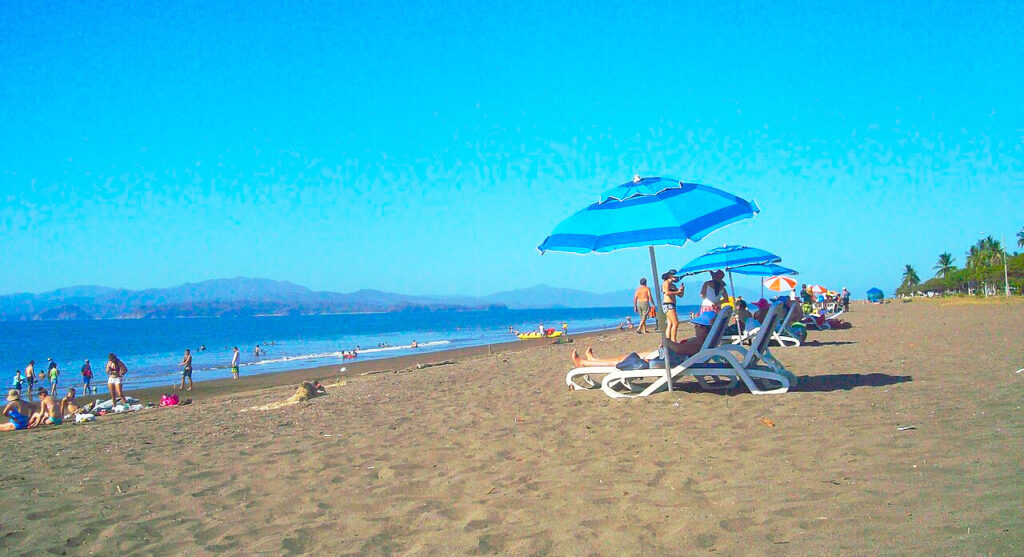
For the discerning traveler seeking a blend of pristine natural beauty, rich cultural history, and thrilling outdoor adventures, the Central Pacific coast of Costa Rica offers an unparalleled destination. If you are planning a journey to experience the many remarkable tourist attractions in Central Pacific, prepare to be captivated by a region where lush rainforest meets turquoise ocean, and where time seems to slow down to the gentle rhythm of the tide. This coastal corridor, centered around the significant port town of Puntarenas, is far more than just a scenic stretch of beach; it is a vibrant tapestry of ecological zones, historical significance, and human ingenuity, making it a cornerstone of Costa Rican travel.
The sheer diversity of the area—from bustling port life to remote, uninhabited islands—ensures that whether your passion lies in marine biology, ancient history, or simply finding the perfect stretch of sand, the Central Pacific boasts an attraction tailored just for you. The journey through this region is one of discovery, promising memorable encounters with wildlife, the serenity of towering waterfalls, and the warm, welcoming spirit of Pura Vida.
Table of Contents
The Urban Heart and Coastal Gateway: Puntarenas City
The gateway to the central Pacific is the city of Puntarenas itself, a lively port town that serves as both a hub for commerce and a nexus of local culture. While the surrounding natural sites draw many visitors, the city’s core attractions offer an immediate taste of the region’s unique blend of history and leisure. The main waterfront stretch, known as Paseo de Los Turistas (Visitors Walk), is the quintessential spot for an afternoon stroll. This heavily visited area, located along the primary beach, is an immediate sensory delight, filled with kiosks selling local arts and crafts, and offering refreshing, traditional treats like fruit salads and the famous Churchill’s frozen drinks. The promenade is equipped with everything a visitor might need, from sports fields to park areas, making it an ideal spot to settle in and begin exploring the region’s offerings.
A short distance inland, the Marino Del Pacifico Park provides a vital educational and recreational escape. Established to enhance public access to nature, the park’s main draw is its impressive fish aquarium, which showcases a variety of species native to the Pacific Ocean, offering a fascinating glimpse into the marine life that characterizes the surrounding waters. This area is also a place of reflection and relaxation, often complemented by local eateries and souvenir shops, ensuring that the visitor experience is both enriching and enjoyable.
Echoes of History and Culture: Museums and Heritage Sites
The Central Pacific is not only defined by its natural splendor; it is deeply rooted in a history of maritime trade and cultural exchange. To understand the region, one must visit the historic museums. The Culture Museum, housed within the beautifully restored Puntarenas barracks, is a profound journey through the area’s past. This facility is a remarkable convergence of cultural exhibits, featuring an amphitheater for performances, a public library, and dedicated space for displaying monthly paintings and sculptures. The museum’s exhibits are crucial for understanding how the port developed into one of the country’s most important maritime centers, while also preserving the deeply ingrained religious traditions and celebrations that define Puntarenas life. Furthermore, the museum provides a comprehensive overview of the region’s natural resources, detailing the coexistence of wetlands, dense forests, marine areas, and local fauna.
Complementing this historical immersion are the sacred sites, including the Puntarenas Cathedral, built in 1902, and the adjacent Sacred Heart of Jesus. These structures stand as enduring testaments to the cultural permanence of the community, adding a layer of spiritual depth to the itinerary of any tourist visiting the Central Pacific.
The Natural Masterpieces: Waterfalls and Reserves
For those who seek a deeper connection with the natural world, the Central Pacific reveals spectacular ecological treasures. Among the most notable is the “Pura Vida” Garden and Waterfalls. This attraction is an astonishing sight, boasting one of the highest waterfalls in the entire country, reaching an impressive height of approximately 650 feet. The area surrounding the falls is carefully manicured, featuring colorful gardens, winding trails, and pristine pools that invite visitors to swim and simply absorb the majesty of the natural setting.
Beyond the falls, the region’s commitment to conservation is evident in its protected areas. The diverse ecosystem encompasses everything from mangroves to tropical dry forests, offering varying degrees of wilderness experience. These natural reserves are vital for the preservation of biodiversity, serving as crucial habitats for a myriad of marine birds, land animals, and plant species that thrive along the Pacific coast.
Island Escapes: The Jewels of the Nicoya Gulf
Perhaps the most defining characteristic of the tourist attractions in Central Pacific are the numerous islands dotting the Nicoya Gulf. These islands provide a perfect blend of secluded beach life and unique ecological experiences, each offering a distinctly different character.
Further afield, the cluster of smaller islands offers specialized retreats. Pan De Azucar Island, located southeast of San Lucas Island, is known for its stunning scenery and its substantial population of marine birds, particularly the magnificent brown pelicans. Similarly, Muertos Island (or Gitana), covers a small, evocative landmass, historically associated with its cemetery, lending it a poignant charm. Much of this small area is blanketed by dry tropical forest that is slowly transitioning into a wetter forest, making it a quiet sanctuary for bird watchers.
For a different kind of natural immersion, Jesusita Island, situated northeast of Cedros Island, is a beautiful example of this transition. Its 60-acre landmass is characterized by the same dry tropical forest giving way to wet forest. The island features not one, but two beautiful beaches—a primary beach on its rocky coast and another secluded beach in the southern part—offering varied coastal views.
The larger, more established islands also draw significant numbers of visitors. Chira Island, being the biggest and most populated in the Nicoya Gulf, offers extensive services, including schools and a high school. Its northeast side boasts a large mangrove area, which is the focus of an eco-tourism initiative managed by the island’s women. This community-run effort provides visitors with basic lodging, local cuisine, and guided tours focused on the unique experience of fishing and exploring the dense mangrove ecosystem.
Cedros Island, while smaller, captivates with its irregular shoreline and beautiful landscape. It is crisscrossed by small forests, featuring coconut trees and other tropical flora. The island hosts two main beaches—Langosta and Gringo—and offers organized tours that allow visitors to explore its natural beauty in depth.
A Journey of Discovery: Planning Your Central Pacific Visit
The sheer breadth of tourist attractions in Central Pacific means that planning a trip requires considering your specific interests. Are you drawn to the academic rigor of the historic museums, preferring to spend your days learning about the port’s rich past? Or are you seeking the adrenaline rush of exploring pristine beaches and participating in guided mangrove tours? The region accommodates every preference.
The Central Pacific experience is ultimately about immersion. It is about waking up to the sounds of the ocean, spending an afternoon exploring the vibrant life within a mangrove forest, and spending the evening savoring the simple pleasures of local life, all under the umbrella of Pura Vida. Whether you are exploring the bustling markets near the port, trekking through the towering waterfall gardens, or quietly observing pelicans nesting on an isolated island, the Central Pacific promises a continuous flow of natural wonder and cultural richness.
The various beaches, from the wide, accessible stretch of the main Puntarenas coast to the more secluded, wild coves found on Cedros Island, provide a gradient of beach experiences. Every corner of this region whispers tales of natural resilience and human connection, solidifying the Central Pacific’s reputation as one of the most rewarding and diverse destinations for any discerning traveler. It is a destination that invites exploration, promises wonder, and leaves an indelible mark on the soul.